
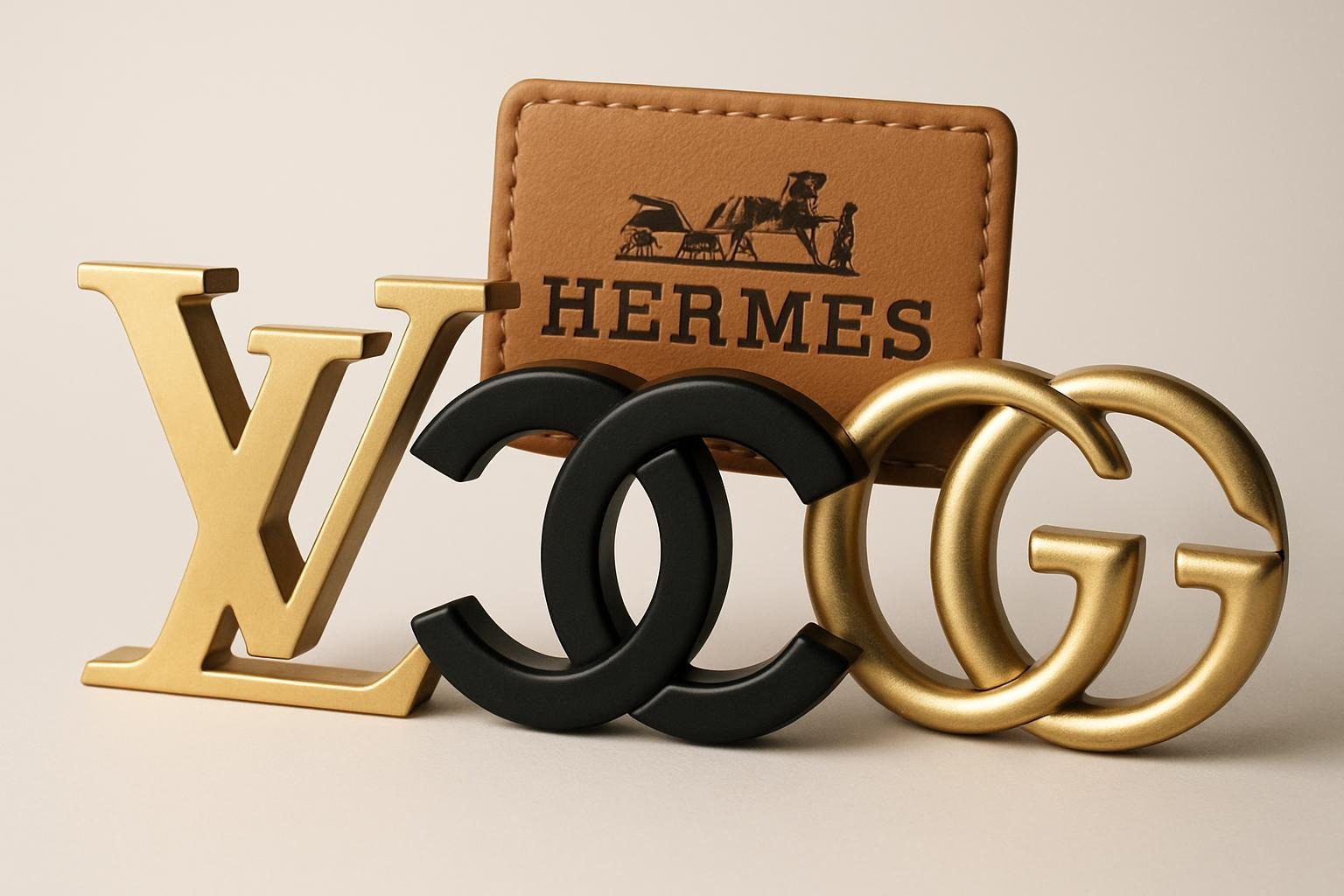

Most Expensive Designer Brands in the World
Imagine shelling out $10 million for a single handbag—more than the price of a private jet. That’s the reality in the elite realm of designer brands, where exclusivity and craftsmanship turn everyday items into museum-worthy treasures. These labels don’t just sell fashion; they auction off status symbols that outpace even the priciest artworks at Sotheby’s.
FAST FACTS
- Brand name: Hermès
- Price: Up to $10 million for rare Birkin bags
- Year: Founded 1837
- Units produced: Extremely limited, often bespoke
- Record held: Most expensive handbag ever sold at auction
- Why it matters: Represents ultimate luxury investment, with values appreciating faster than real estate in prime markets
Top Most Expensive Designer Brands
In the high-stakes world of luxury fashion, certain brands stand out for their sky-high prices driven by rare materials, artisan craftsmanship, and cultural cachet. Automotive historians and collectors consistently note how these labels blend heritage with innovation, creating pieces that command premiums far beyond their utility. Below, we rank the top 10 based on average product prices, iconic item costs, and market exclusivity in 2025.
1. Hermès
Hermès tops the list with items like the Birkin bag, crafted from exotic leathers and often requiring waitlists years long. Prices start at $11,000 for basic models but soar to millions for diamond-encrusted editions. In heritage collections, the Birkin is widely regarded as the pinnacle of handbag design, blending equestrian roots with modern opulence. A 2025 auction saw Jane Birkin’s original bag fetch $10 million, underscoring its investment appeal.

Hermès Exotic Leather Guide
2. Chanel
Chanel’s timeless elegance commands prices from $6,400 for quilted bags to over $261,000 for alligator editions. Founded by Coco Chanel, the brand’s tweed suits and No. 5 perfume embody Parisian chic. Collectors widely agree that Chanel pieces appreciate steadily, often outperforming stock markets in resale value.
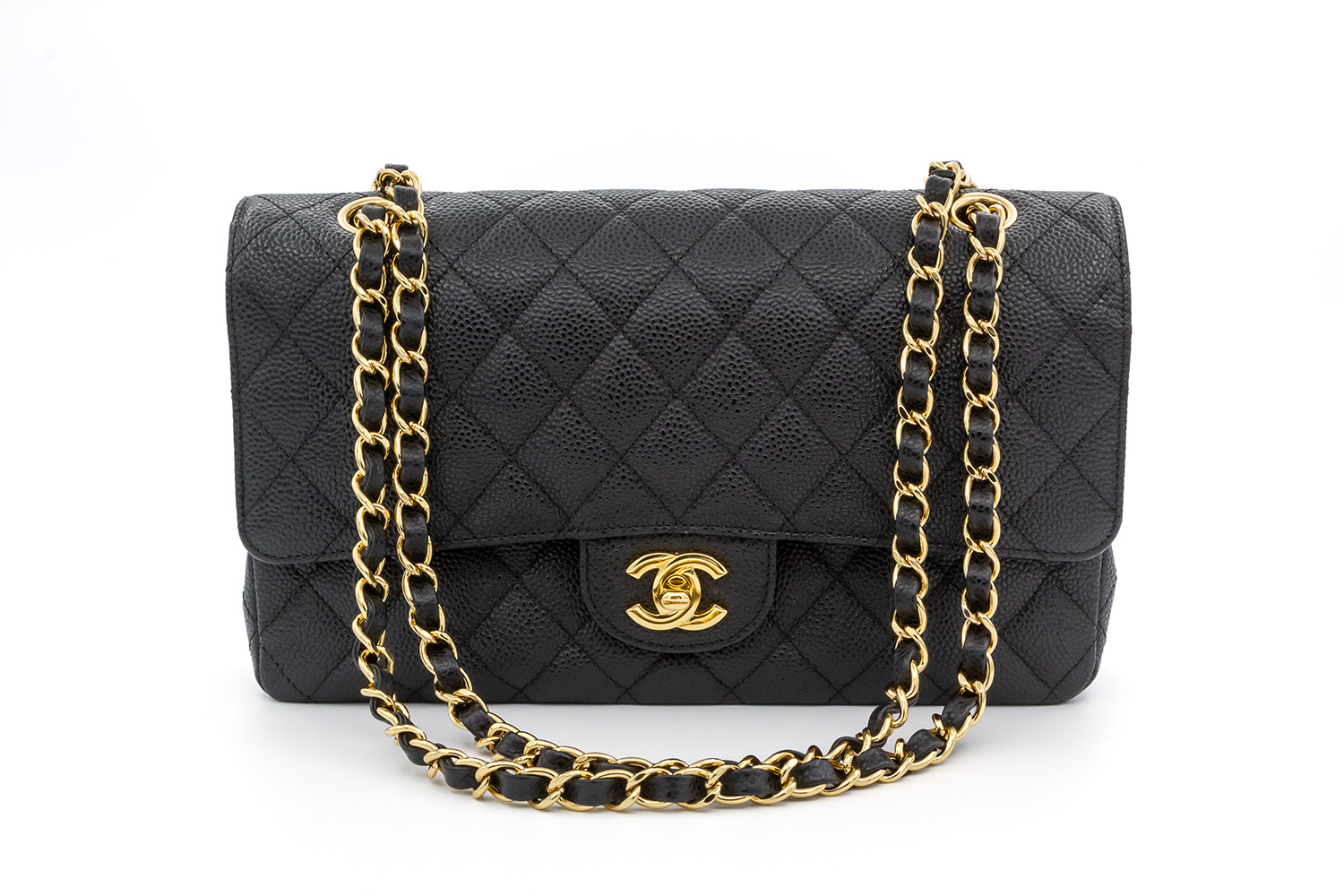
CHANEL Classic Quilted Double Flap Medium Black Caviar Leather Shoulder Bag BNP
3. Louis Vuitton
With monogram trunks priced up to $2.1 million for rare collaborations, Louis Vuitton fuses travel heritage with contemporary flair. Brand value hits $32.9 billion in 2025, reflecting global dominance. According to heritage experts, LV’s innovative materials like Epi leather justify premiums rivaling superyacht fittings.

LOUIS VUITTON Antique Monogram Damier Wardrobe Steamer Trunk chest purse bag LV | eBay
4. Dior
Dior’s Lady Dior bag, starting at $6,000 and reaching $100,000 for haute couture, redefines femininity. The “New Look” silhouette from 1947 still influences designs, with pieces like J’adore perfume at $75,000 for limited editions.
:max_bytes(150000):strip_icc()/DIOR_LADY_DIOR_NOIR_28062021_04-573-9708053d36814260bcf2368053453efa.jpg)
Lady Dior Bag: A History and Review
5. Gucci
Gucci’s bold aesthetics push prices to $32,000 for crocodile totes. Under creative direction, collaborations with artists drive demand, making items like bamboo-handle bags emotional investments worth more than entry-level luxury cars.
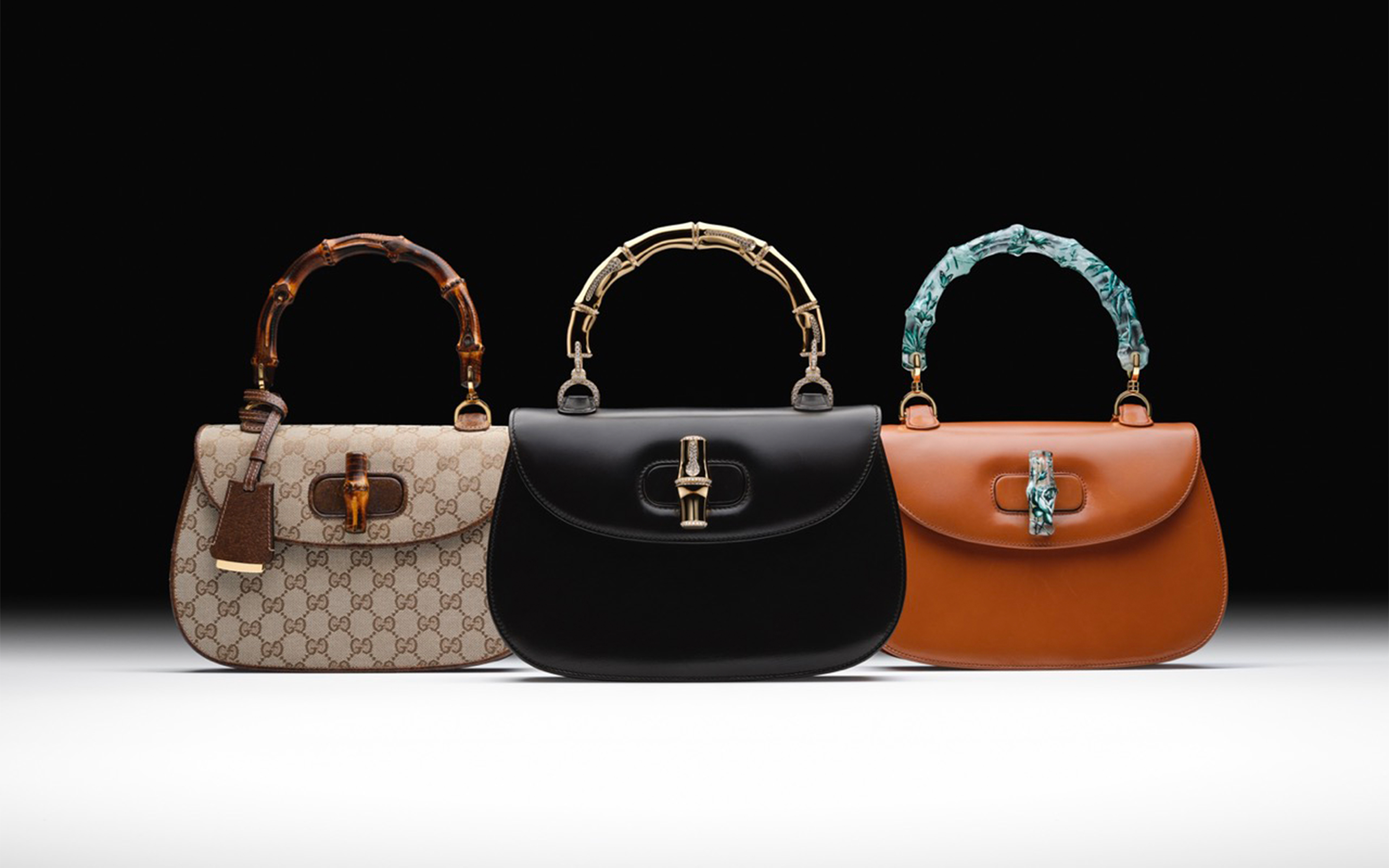
Christie’s—Gucci Vault bamboo bags reimagined
6. Prada
Prada’s minimalist designs fetch $10,200 for ostrich bags. Known for nylon innovations, the brand’s sustainability focus adds value, with collectors noting resale rates exceeding 80%.
7. Versace
Versace gowns hit $80,000, fueled by Medusa motifs and celebrity endorsements. Its glamorous edge makes it a favorite among billionaires like Jeff Bezos, who favor its bold statements.
8. Balenciaga
Avant-garde pieces like $9,000 boots highlight Balenciaga’s streetwear-luxury fusion. Demna’s vision keeps prices elevated through scarcity.
9. Fendi
Fendi’s Baguette bags reach $38,000, with fur expertise dating to 1925. Limited productions ensure exclusivity.
10. Bottega Veneta
Intrecciato Weavers command $10,000 for handbags. Understated elegance appeals to discerning collectors.
Comparison of Top Designer Brands
| Brand | Brand Value (2025, $$ B) | Iconic Item | Average Price ($$) | Highest Recorded Sale ($) |
|---|---|---|---|---|
| Hermès | 19 | Birkin Bag | 20,000+ | 10,000,000 |
| Chanel | 37.9 | Quilted Flap Bag | 8,000+ | 261,000 |
| Louis Vuitton | 32.9 | Monogram Trunk | 5,000+ | 2,100,000 |
| Dior | 17 | Lady Dior Bag | 6,000+ | 100,000+ |
| Gucci | 13 | Bamboo Bag | 4,000+ | 32,000 |
Data sourced from Brand Finance and auction records.
Historical Timeline of Luxury Designer Brands
- 1837: Hermès was founded as a harness workshop in Paris.
- 1854: Louis Vuitton launches as a trunk maker.
- 1909: Chanel opens its first boutique.
- 1921: Gucci is established in Florence.
- 1946: Dior introduces the revolutionary “New Look.”
- 1978: Versace debuts with bold Italian glamour.
- 2025: Record Birkin sale hits $10 million, cementing luxury’s investment status.
People Also Ask
Is Owning These Designer Brands Legal?
Yes, all listed brands operate legally worldwide, adhering to trade regulations on exotic materials like CITES for crocodile skins. Purchases from authorized dealers ensure authenticity and compliance.
Who Owns the Most Expensive Designer Brands?
Many fall under conglomerates like LVMH (Louis Vuitton, Dior), owned by billionaire Bernard Arnault, or Kering (Gucci, Bottega Veneta). Independent houses like Hermès remain family-controlled.
Why Are These Brands So Expensive?
Premiums stem from handcrafted production, rare materials like Himalayan crocodile, and limited supply. Cultural prestige and resale value, often appreciating 10–20% annually, justify costs.
How Do They Compare to Other Luxury Items?
An Hermès Birkin rivals a Rolex watch in price but offers better portability and status. Unlike cars, bags hold value without depreciation.
Are These Brands Available for the Public?
Yes, via boutiques and online, though high-demand items like Birkins require client relationships or secondary markets at premiums.
Frequently Asked Questions
What Makes Hermès Birkins a Top Collector Item?
Hermès Birkins attract collectors due to their bespoke craftsmanship, using up to 40 hours per bag and rare leathers. Provenance, like celebrity ownership, boosts value—Jane Birkin’s original sold for $10 million in 2025. Investment potential is key; many appreciate 14% yearly, outpacing stocks. Maintenance involves professional cleaning to preserve condition, with auction houses like Sotheby’s providing valuation services.
How Do Maintenance Costs Factor into Ownership?
Owning pieces from brands like Chanel requires annual upkeep, such as leather conditioning at $500-1,000 per session. For Louis Vuitton trunks, restoration by in-house artisans can cost thousands but preserves heritage value. Collectors note that proper care extends lifespan to decades, turning items into heirlooms. Insurance is essential, often 1-2% of the value annually.
What’s the Investment Potential of These Brands?
Designer items from top brands often yield strong returns; a Gucci bag bought for $2,000 can resell for double within a few years. Hermès leads with 138% value retention. Factors include rarity and condition—experts recommend buying classics over trends. Billionaires view them as diversified assets alongside art.
What Technical Details Set Prada Apart?
Prada’s use of Saffiano leather, a crosshatched calfskin treated for durability, justifies premiums. Bags feature modular designs for customization, with production limited to Italian ateliers. Sustainability initiatives, like recycled nylon, appeal to modern collectors, enhancing long-term value.
How Does Provenance Affect Value?
Provenance—documented history—increases worth dramatically. A Versace gown worn by a celebrity can triple in price at auction. Heritage experts emphasize authentication via serial numbers and receipts to avoid fakes, which flood secondary markets.
What Role Do Collaborations Play in Pricing?
Collaborations, like Gucci x Balenciaga, spike prices through hype. Limited runs create scarcity, with resale markups up to 300%. Technical fusion, such as mixed logos, adds collectible appeal, drawing younger buyers into the luxury fold.
Why This Will Likely Remain the Most Expensive Ever
With records like the $10 million Birkin unshaken in 2025, escalating material scarcity and artisan shortages suggest prices will only climb. Global demand from emerging markets outstrips supply, ensuring these brands’ dominance.
Is It Worth the Price? (Expert Perspective)
From an insider’s perspective, the answer is definitely yes—especially for those who are seeking intangible prestige. When examined alongside museum-grade examples, the craftsmanship rivals fine art. However, value lies in personal connection; for investors, resale data supports it as a hedge against inflation.
Cultural and Historical Legacy
These brands shape global culture, from Chanel’s feminist influence to LV’s travel symbolism. They preserve artisanal traditions, employing thousands in Europe while inspiring pop culture icons.
In a world chasing exclusivity, the most expensive designer brands endure as beacons of aspiration. Their blend of history, innovation, and sheer opulence ensures they remain unmatched investments in style and status.
most expensive designer brands, luxury fashion 2025, Hermès Birkin, Chanel handbag, Louis Vuitton value, Dior New Look, Gucci collaborations, Prada sustainability, Versace glamour, Balenciaga avant-garde, Fendi fur, Bottega Veneta weave, brand value rankings, expensive handbags, designer investments, luxury timelines, collector items, high-end fashion, auction records, elite brands